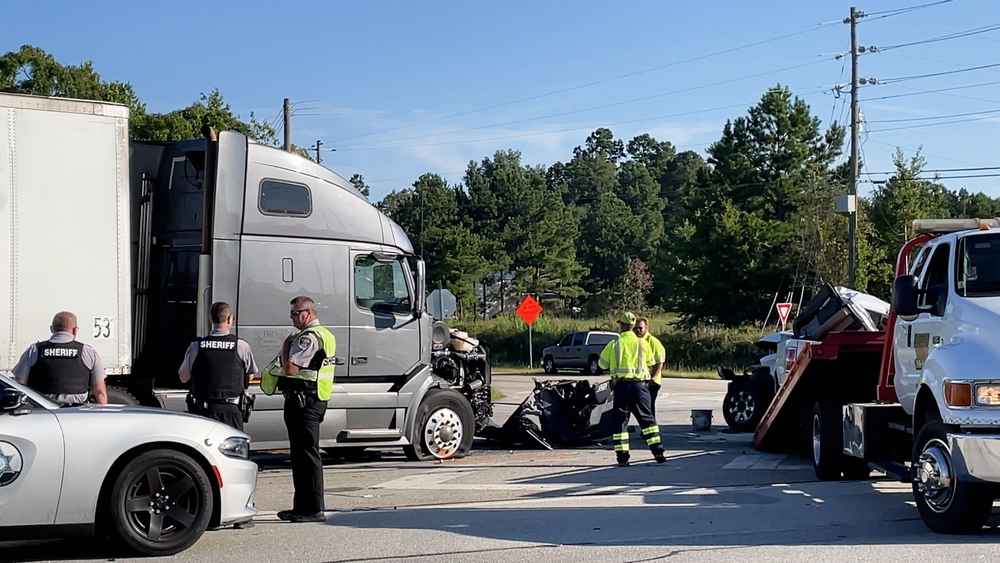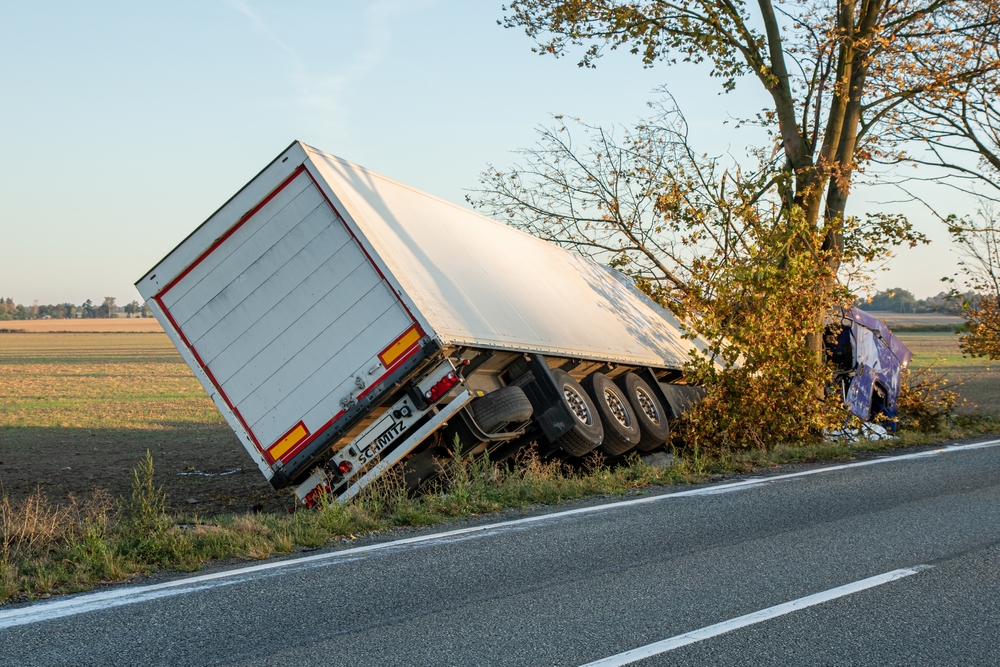
A collision with a semi-truck on I-75, I-64, or one of Lexington’s busy arterial roads can raise issues that are rarely present after an ordinary two-car crash. Commercial trucks operate under additional safety rules, involve different types of evidence, and may connect several companies or parties to the events leading to a collision.
Quick answer: Semi-truck accidents are different from car accidents because commercial trucking cases can involve federal safety regulations, trucking-company records, electronic driving data, cargo and maintenance issues, and more than one potentially responsible party. The size and operating characteristics of a tractor-trailer can also contribute to more complicated crashes and injuries. For someone hurt in a truck collision in Lexington, investigating those differences early can be important.
What Lexington drivers should know
- Commercial truck drivers and motor carriers may be subject to Federal Motor Carrier Safety Administration rules that do not apply to ordinary passenger drivers.
- Evidence may include electronic logging data, inspection and maintenance records, driver qualification information, dispatch records, and cargo documentation.
- Truck collisions can occur on major freight routes such as I-64 and I-75 as well as Lexington streets that connect motorists with those highways.
- Responsibility may extend beyond the truck driver depending on what caused the crash.
- Kentucky deadlines and fault rules can affect a claim, making it important to evaluate the specific facts rather than treating a truck collision like a routine fender-bender.
Why Are Semi-Truck Accidents More Complicated Than Car Accidents?
Semi-truck accidents are more complicated because the investigation can involve commercial driving rules, company practices, vehicle maintenance, cargo handling, and multiple sources of electronic and paper records. A typical passenger-car collision may focus primarily on the actions of two drivers, while a commercial truck case can require a much broader investigation.
Lexington sits where I-64 and I-75 meet, creating an important highway connection through Fayette County. Local drivers also encounter commercial vehicles around Georgetown Road, Winchester Road, Nicholasville Road, New Circle Road, and other routes serving businesses and surrounding communities.
The Kentucky Transportation Cabinet’s 2024 Traffic Collision Facts Book reported truck collisions on interstates, U.S. routes, state routes, county roads, and city streets throughout the Commonwealth. The report defines a truck for its statistical purposes as a vehicle with a registered weight of at least 10,000 pounds.
Herren Law helps people in the Lexington area understand the issues that may arise after serious vehicle collisions. When we evaluate a crash involving a commercial truck, the investigation may need to go well beyond the information contained in the initial police report.
What Federal Rules Can Matter After a Truck Accident?
Federal trucking rules can matter because many commercial drivers and motor carriers must follow safety requirements covering driving time, driver qualifications, vehicle condition, inspections, repairs, and maintenance. Those requirements can create evidence that simply does not exist in a normal passenger-car accident.
The Federal Motor Carrier Safety Administration states that covered commercial motor vehicle operators may be subject to regulations involving driver qualifications, hours of service, vehicle equipment, and inspection, repair, and maintenance.
Hours-of-service rules are one example. For many property-carrying commercial drivers, FMCSA generally limits driving to 11 hours after 10 consecutive hours off duty and restricts driving beyond the 14th consecutive hour after coming on duty. Specific exceptions can apply.
After a serious collision near the I-64/I-75 interchange or elsewhere in Central Kentucky, reviewing whether applicable safety requirements were followed may be part of determining how the crash occurred.
What Evidence Is Different in a Semi-Truck Accident?
Truck accident evidence can be different because commercial operations often generate records about the driver, vehicle, route, working hours, inspections, and company activity. Preserving relevant information promptly can therefore become an important part of investigating a Lexington truck crash.
Depending on the circumstances, useful evidence may include:
- Electronic logging device records
- Driver qualification information
- Hours-of-service records
- Vehicle inspection and maintenance records
- Dispatch or trip information
- Cargo and loading documentation
- Photographs and video
- Electronic vehicle data when available
- Witness statements and law enforcement records
Not every truck accident involves every type of evidence. The records that matter depend on what happened and which individuals or businesses were involved.
Who Could Be Responsible for a Semi-Truck Accident?
Responsibility for a semi-truck accident may involve the driver, a motor carrier, or another person or company whose conduct contributed to the collision. Identifying the correct parties requires examining the relationships among the driver, truck, trailer, cargo, maintenance work, and commercial operation.
For example, an investigation might examine whether the driver operated the truck safely, whether required maintenance was performed, whether a mechanical problem contributed to the collision, or whether cargo was loaded or secured appropriately.
Kentucky law also provides for allocation of fault in tort cases involving more than one party. KRS 411.182 directs the factfinder to determine percentages of fault based on the conduct of the parties and its causal relationship to the claimed damages.
That is one reason a serious commercial vehicle collision in Fayette County should not automatically be approached as a simple dispute between two drivers.
What Warning Signs Suggest a Truck Crash Needs Closer Investigation?
A truck crash needs closer investigation when the circumstances suggest that driver conduct, commercial operations, equipment, or cargo may have contributed to what happened. These signs do not establish fault by themselves, but they can point toward evidence worth preserving and reviewing.
Watch for circumstances such as:
- The truck appeared unable to stop in time.
- The driver changed lanes abruptly or drifted from a lane.
- The crash occurred after a long period of highway travel.
- A tire, brake, trailer, or other component appeared damaged or defective.
- Cargo shifted, spilled, or came loose.
- The trucking company or another business owned the tractor or trailer.
- Several commercial entities appear on the truck, trailer, shipping documents, or insurance information.
- Serious injuries make the full financial impact of the collision difficult to determine immediately.
These issues can arise on high-speed interstate stretches as well as heavily traveled Lexington roads where large commercial vehicles mix with local traffic.
When Should You Call a Lawyer After a Lexington Truck Accident?
You should consider speaking with a lawyer promptly when a Lexington truck collision causes significant injuries, disputed fault, extensive property damage, or questions about a commercial driver or trucking company. Early review can help identify evidence that may be relevant before ordinary business record-retention practices or changing accident-scene conditions make investigation more difficult.
You can safely preserve your own photographs, medical paperwork, repair information, insurance correspondence, and notes about what you remember. Avoid guessing about technical trucking violations or signing documents you do not understand simply because an insurance company requests them.
Kentucky also imposes time limits on motor-vehicle claims. KRS 304.39-230 contains limitation periods that can vary based on the type of claim and whether basic or added reparation benefits have been paid. Because the calculation can depend on individual circumstances, relying on a general deadline without reviewing the specific case can create unnecessary risk.
What Common Factors Are Investigated in Truck Crashes?
Common truck-crash investigations examine driver attention, following distance, lane control, vehicle condition, fatigue, cargo issues, and whether the truck was being operated appropriately for traffic and road conditions. The relevant factors in any Lexington collision must be established from actual evidence rather than assumptions about truck drivers or trucking companies.
Kentucky’s 2024 collision data identifies factors recorded by investigating officers in truck collisions, including inattention, failure to keep the proper lane, following too closely, fatigue, defective brakes, tire failure, and load-securement concerns. These statewide figures do not prove what caused any individual wreck, but they illustrate the range of issues investigators may encounter.
Around Central Kentucky, conditions can vary significantly between interstate travel, congested sections of New Circle Road, and commercial corridors leading toward Georgetown, Nicholasville, and Winchester.
What Should You Do After a Semi-Truck Collision?
After a semi-truck collision, prioritize medical needs, report the crash, preserve available evidence, and avoid making assumptions about responsibility before the facts are investigated. The physical aftermath may resemble another traffic accident, but the evidence behind a commercial truck crash can be substantially different.
If you can do so safely, photographs of vehicle positions, damage, road conditions, markings on the truck and trailer, and the surrounding scene may be useful. Keep copies of medical records, bills, insurance communications, and information exchanged at the scene.
Do not put yourself in danger trying to inspect a commercial vehicle or recover evidence from the roadway.
Contact us to discuss a Lexington semi-truck accident
What Results Can a Truck Accident Investigation Provide?
A truck accident investigation can provide a clearer picture of how the collision occurred, which rules or duties applied, what evidence supports the account of the crash, and which parties may bear responsibility. It cannot guarantee a particular legal outcome.
A careful investigation may also help document injuries, treatment, lost income, property damage, and other losses associated with the collision.
For people injured around Lexington and Fayette County, the goal is to base decisions on documented facts rather than treating a commercial trucking case as though it were an ordinary two-car insurance claim.
What Mistakes Should You Avoid After a Truck Accident?
The biggest mistakes after a truck accident involve losing evidence, making unsupported statements about fault, or assuming the claim will follow the same path as a minor car accident. A more cautious approach protects your ability to understand what actually happened.
Mistake: Treating the police report as the entire investigation.
Consequence: Commercial records or other evidence may never be examined.
Better approach: Preserve the report while also identifying other potentially relevant evidence.
Mistake: Assuming only the truck driver matters.
Consequence: Other individuals or businesses connected to the collision may be overlooked.
Better approach: Examine ownership, employment, maintenance, cargo, and operational relationships when the facts justify it.
Mistake: Waiting until injuries are fully resolved before learning about deadlines.
Consequence: Important legal or evidence-preservation issues may arise first.
Better approach: Find out what deadlines apply early while continuing appropriate medical care.
What Is a Common Lexington Truck Accident Scenario?
A common Lexington truck accident scenario involves a passenger vehicle and tractor-trailer meeting where interstate traffic merges with local traffic, but every collision must be evaluated from its own evidence. This example is illustrative only and is not a Herren Law case result.
Imagine a driver traveling through Fayette County near a major interstate interchange when traffic slows ahead. A tractor-trailer behind the vehicle does not stop before impact.
A normal rear-end investigation would examine speed, following distance, road conditions, and driver attention. A truck investigation might also raise questions about driving hours, vehicle inspections, brakes, electronic records, or motor-carrier operations. Whether any of those issues actually contributed would require evidence.
How Do Your Options Compare After a Truck Crash?
Your options after a truck crash range from handling routine insurance communications yourself to obtaining legal help with a more complicated investigation. The appropriate choice depends largely on the seriousness of the injuries, clarity of fault, number of parties, and amount of commercial evidence involved.
Minor property damage with no injury may require relatively limited follow-up. Serious injuries, disputed liability, multiple vehicles, questions about trucking regulations, or involvement of several companies can make professional legal review more useful.
Request a review of your truck accident circumstances
What Areas Around Lexington Can Truck Accident Cases Involve?
Truck accidents in the Lexington area can occur throughout Fayette County and on routes connecting the city with nearby communities such as Georgetown, Nicholasville, and Winchester. Major highways including I-64 and I-75 also bring local motorists into regular contact with interstate commercial traffic.
Our focus is on helping area residents understand how the facts of a commercial vehicle collision may affect their next steps.
What Can Happen If You Wait Too Long to Investigate?
Waiting too long can make a truck accident harder to investigate because evidence can change, memories can fade, vehicles can be repaired, and legal deadlines continue to run. That does not mean every collision requires immediate litigation, but serious commercial vehicle crashes deserve timely attention.
Kentucky’s motor-vehicle limitation statute can depend on factors including the nature of the claim and certain reparation-benefit payments. Promptly determining the applicable deadline is safer than assuming every accident has the same filing period.
Protect your ability to investigate a serious Lexington truck crash
FAQ
Why are semi-truck accidents different from car accidents in Lexington?
Semi-truck accidents in Lexington can involve commercial driving regulations, motor-carrier records, electronic logs, vehicle maintenance information, and multiple potentially responsible parties. The investigation may therefore extend beyond determining which driver violated an ordinary traffic rule, particularly after crashes involving I-64, I-75, or major Fayette County commercial routes.
Do federal trucking regulations apply to every truck accident in Kentucky?
No. Federal trucking regulations do not necessarily apply in exactly the same way to every truck or every trip. FMCSA rules generally cover qualifying commercial motor vehicles involved in interstate commerce, with specific requirements and exceptions depending on the operation. Determining which regulations apply requires examining the vehicle, carrier, driver, and trip.
What records can matter after an I-75 truck accident near Lexington?
Records that may matter after an I-75 truck accident can include electronic logging data, driver qualification information, inspection and maintenance records, dispatch documents, cargo information, photographs, and electronic vehicle data when available. The appropriate records depend on the facts, so not every collision requires every category of commercial information.
Can a trucking company be responsible for a Lexington crash?
A trucking company may be legally relevant to a Lexington crash depending on its relationship to the driver, vehicle, maintenance, or operation involved. Responsibility should not be assumed simply because a company name appears on a truck. Ownership records, contracts, employment relationships, and evidence concerning the cause of the collision may all require review.
How long do I have to file a truck accident claim in Kentucky?
Kentucky motor-vehicle claims are subject to legal deadlines, but the applicable date can depend on the circumstances. KRS 304.39-230 includes provisions involving the date of injury and certain basic or added reparation benefit payments. Because missing a deadline can affect legal rights, the specific dates should be reviewed rather than estimated.
Are semi-truck crashes common only on Lexington interstates?
No. Truck collisions are not limited to interstates. Kentucky’s 2024 Traffic Collision Facts Book recorded truck crashes statewide on interstates, U.S. and state routes, county roads, and city streets. In Lexington, that means commercial vehicle issues can arise both on I-64 and I-75 and on local arterial roads.
What if I may have been partly responsible for a Fayette County truck accident?
Your own conduct can still matter because Kentucky law provides for allocating fault among parties in tort actions. The percentage assigned to each party depends on the evidence concerning the conduct involved and its connection to the claimed damages. A disputed-fault collision therefore requires careful factual analysis rather than an assumption that one driver bears all responsibility.
Should I speak with the trucking company’s insurer after a Lexington accident?
You may need to communicate basic information about the collision, but you do not have to speculate about facts you do not know. Serious injuries or disputed responsibility can make insurance communications more consequential. Keeping copies of correspondence and obtaining legal guidance before making detailed statements or signing unfamiliar documents may help avoid unnecessary complications.
Get Help Understanding a Lexington Semi-Truck Accident
A semi-truck collision can involve more evidence, more regulations, and more potentially responsible parties than a typical passenger-car crash. We can help you understand which issues deserve investigation and what Kentucky law may mean for your situation.