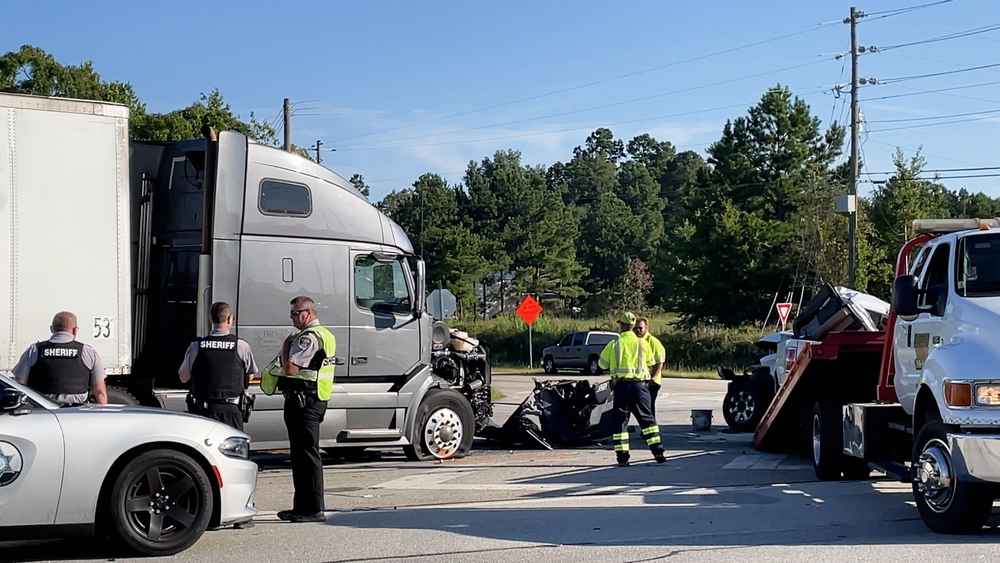
Being involved in a car accident can be one of the most stressful experiences of your life. In the moments following a collision in Lexington, Kentucky, knowing what steps to take can make a significant difference in protecting your safety, health, and legal rights. This comprehensive guide will walk you through the essential actions you should take immediately after a car accident and in the days that follow.
Step 1: Ensure Safety and Call Emergency Services
Your first priority after a car accident should always be safety. If you are able to move safely, exit the vehicle and get to a secure location away from traffic. If you or anyone else involved in the accident appears to be injured, call 911 immediately. Even if injuries seem minor, emergency responders can assess your condition and provide necessary medical attention. The Lexington Police Department will send officers to document the accident scene, and their report will be crucial for insurance claims and potential legal action.
Do not attempt to move vehicles unless they are creating a traffic hazard and it is safe to do so. If vehicles cannot be moved, turn on hazard lights and use warning triangles or flares if available. Staying at the scene is not only the legal requirement in Kentucky but also essential for protecting your interests.
Step 2: Document the Accident Scene Thoroughly
While waiting for police to arrive, gather as much information as possible about the accident. Use your smartphone to take photographs and videos of the vehicle damage, the accident scene, traffic signs and signals, road conditions, and the overall layout of the area. These visual records will be invaluable later, especially if you need to consult with a car wreck attorney to evaluate your case.
Photograph the license plates of all vehicles involved, the position of each vehicle after the collision, and any visible injuries. If there are skid marks, debris, or other evidence at the scene, document these as well. The more comprehensive your documentation, the stronger your position will be if you need legal representation from a car accident lawyer.
Step 3: Exchange Information with Other Parties
Obtain contact and insurance information from everyone involved in the accident. Collect names, phone numbers, addresses, email addresses, driver’s license numbers, license plate numbers, vehicle identification numbers, and insurance company names and policy numbers. Be polite and factual when gathering this information, and avoid admitting fault or making statements that could be used against you later.
If there are witnesses at the scene, ask for their contact information as well. Eyewitness accounts can be extremely valuable, particularly if liability is disputed. Make a note of what each witness observed and saw happen during and immediately after the accident.
Step 4: Report the Accident to Your Insurance Company
Contact your insurance provider as soon as possible after the accident. Most insurance companies have claims hotlines available 24/7. When speaking with your insurer, provide factual information about what happened without speculating or making admissions of fault. Stick to the facts: the time, date, location, weather conditions, and how the accident occurred. Your insurance company will guide you through their claims process and may recommend approved repair shops or medical providers.
Keep detailed records of all communications with your insurance company, including dates, times, and names of representatives you speak with. Request a claim number for your records. This information will be important if you later need to discuss your case with a car accident lawyer regarding potential coverage disputes or personal injury claims.
Step 5: Seek Medical Attention Promptly
Even if you do not feel injured immediately after the accident, seek medical evaluation within 24 to 48 hours. Some injuries, such as whiplash, internal bleeding, and traumatic brain injuries, may not manifest symptoms right away. A medical professional can identify hidden injuries and create a documented record of your condition. This medical documentation is crucial if you later decide to pursue a personal injury claim.
Be thorough in describing your symptoms to healthcare providers, and follow all recommended treatment plans. Keep copies of all medical records, bills, prescriptions, and receipts related to your treatment. These documents will form the foundation of any personal injury claim if you need to work with a car wreck attorney.
Step 6: Preserve Evidence and Gather Additional Documentation
Beyond the photographs and videos taken at the scene, gather any additional evidence that supports your account of the accident. Obtain a copy of the police report from the Lexington Police Department. This official report includes the officer’s assessment of how the accident occurred and may identify the at-fault party. You can request this report online or in person from the Lexington Police Department Records Division.
Keep all original documents related to the accident, including receipts for vehicle repairs, rental car expenses, medical bills, and lost wage documentation if you missed work due to injuries. These records will be essential if you need to file an insurance claim or work with a car accident lawyer to pursue a personal injury lawsuit.
Step 7: Do Not Make Statements on Social Media
Avoid posting about the accident on social media platforms. Insurance companies and attorneys often review social media accounts to gather information. Innocent statements or photos can be misinterpreted and used against you. Similarly, do not discuss the accident details with anyone except necessary parties, such as medical professionals, your insurance company, and your attorney. Even casual conversations can be problematic if they are later reported.
This precaution is particularly important if there is any possibility of litigation. A car accident lawyer will advise you to limit your communications to protect your legal interests and ensure that nothing you say can be used to minimize your compensation or strengthen the other party’s position.
Step 8: Understand Kentucky’s Comparative Fault Law
Kentucky follows a comparative fault system, which means that if you are found partially at fault for the accident, your compensation may be reduced proportionally. However, you can still recover damages as long as you are not more than 50 percent at fault. Understanding this legal framework is important when evaluating your case.
If there is any significant injury or property damage, or if liability is unclear, consult with a car wreck attorney who can explain how Kentucky’s comparative fault rules apply to your specific situation. An experienced car accident lawyer can help determine what compensation you may be entitled to recover.
Step 9: Consider Consulting with an Attorney
If you sustained serious injuries, faced substantial property damage, or if the other party disputes liability, consulting with a qualified car wreck attorney is advisable. Many attorneys offer free initial consultations and work on a contingency fee basis, meaning you pay no fees unless they recover compensation for you. A car accident lawyer can review the evidence, assess the strength of your claim, and advise you on the best course of action.
Do not wait too long to consult with an attorney. Kentucky has a statute of limitations that restricts how long you have to file a personal injury lawsuit. An experienced attorney will ensure you do not miss any critical deadlines.
Step 10: Keep Organized Records and Follow Up
Throughout your recovery and claims process, maintain organized files containing all accident-related documents. Create separate folders for medical records, insurance correspondence, repair estimates, and legal documents. This organization will be invaluable if you need to provide documentation to your insurance company, your employer, or a car accident lawyer.
Follow up regularly with your medical treatment, insurance company, and any legal representatives. Respond promptly to requests for information, and keep copies of everything you submit. Staying organized and proactive will help ensure that your case moves forward smoothly.
Conclusion
Being involved in a car accident in Lexington, Kentucky, requires careful attention to detail and prompt action. By following these ten steps, you can protect your health, preserve important evidence, and safeguard your legal rights. Whether your situation involves minor property damage or serious injuries, proper documentation and timely professional guidance will serve you well throughout the claims process and any potential legal proceedings.
Need Personal Injury Lawyers Near You?
Here at Herren Law, LLP, we understand that dealing with an injury can be overwhelming, and that’s why we’re here to help. With over 35 years of experience, our team of dedicated Lexington personal injury attorneys is ready to fight for your rights and work tirelessly to maximize your recovery. From car accidents to workers’ compensation cases, we’ve seen it all and are committed to holding negligent parties accountable. Let us help you get your life back on track; reach out to us today for a free initial consultation. We’re here for you every step of the way.